
There are hundreds of borsches
Red, green, with beans, mushrooms or fish: every region has its own. In 2022 UNESCO declared it intangible heritage.
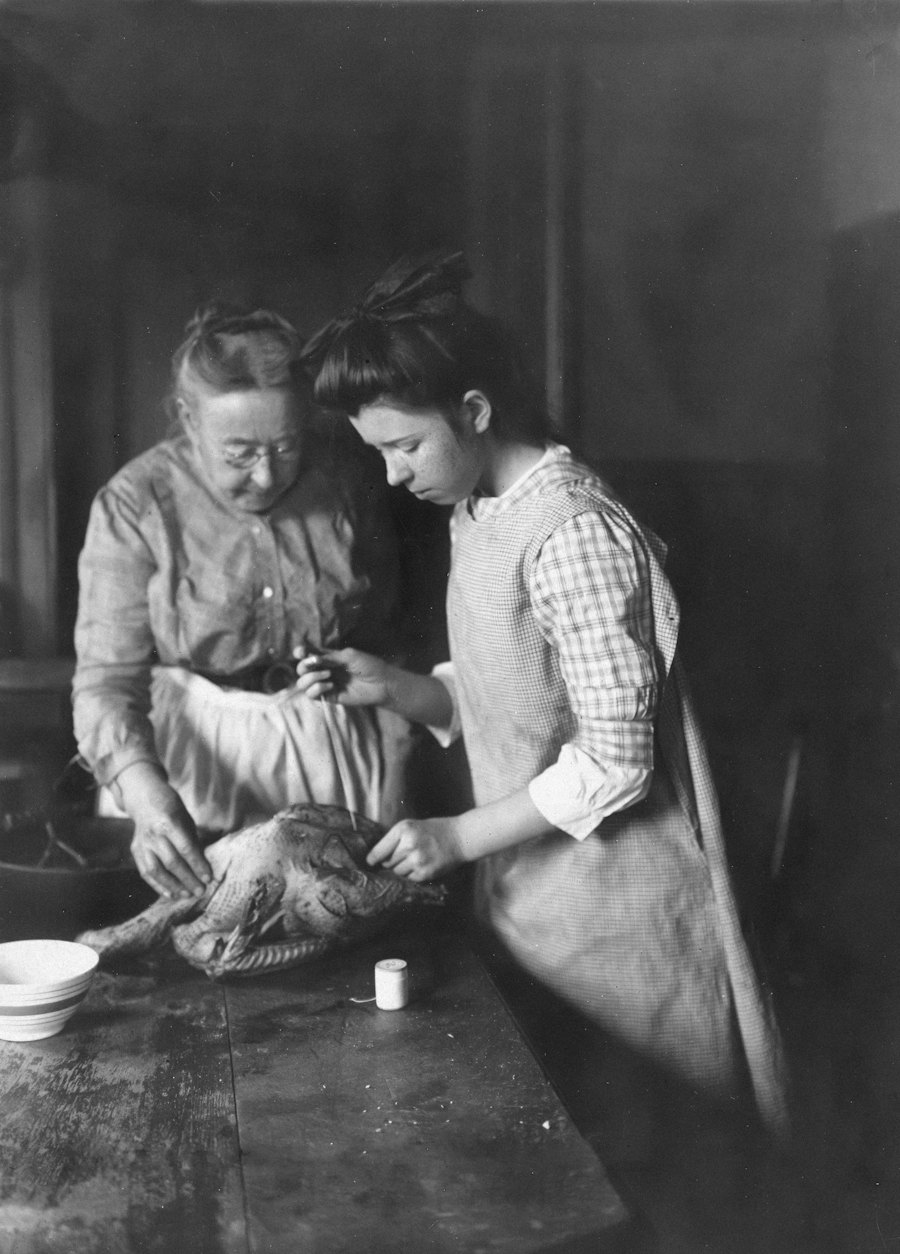
Verba’s recipes come from a notebook written by hand over three generations. We don’t invent Ukrainian cuisine: we tell it dish by dish.
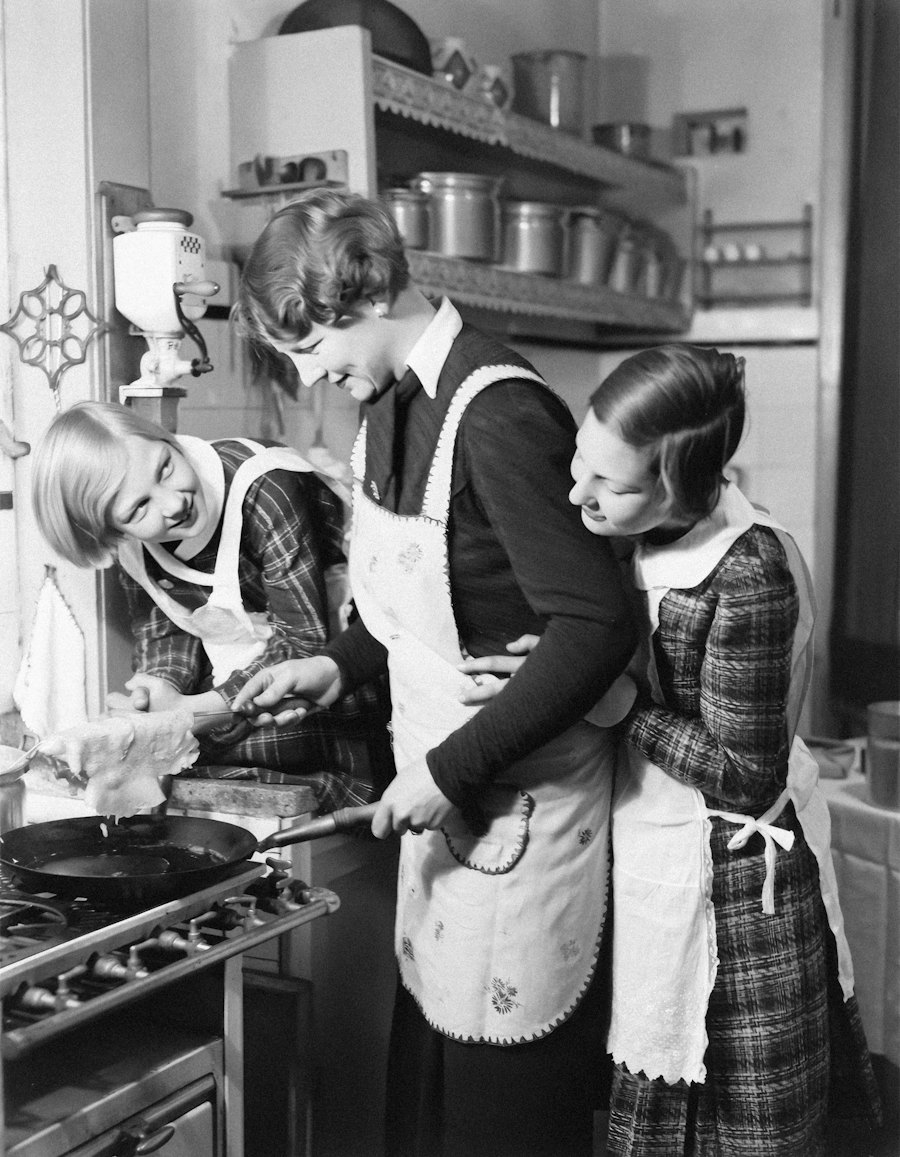
Great-grandmother Hanna starts writing down her recipes in Poltava: borsch, varenyky, medovik.
Grandmother Maria moves to Kyiv and adds her own: chicken Kyiv.
The family brings the notebook to Valencia. The first varenyky are for the neighbours.
We open in Russafa, two streets from the market.
Red, green, with beans, mushrooms or fish: every region has its own. In 2022 UNESCO declared it intangible heritage.

Potato or cabbage as a main; cherry or curd cheese for dessert. Always with smetana.

Guests are welcomed with bread and salt, and borsch comes with garlic buns.

It’s cured with garlic and spices and eaten raw, in thin slices on rye bread.

A drink of dried apple, pear and plum. Hot in winter, cold in summer.

Thick sour cream goes with borsch, varenyky, deruny and even syrnyky.
The recipes come from four corners of Ukraine. This is what each one brings to the menu:
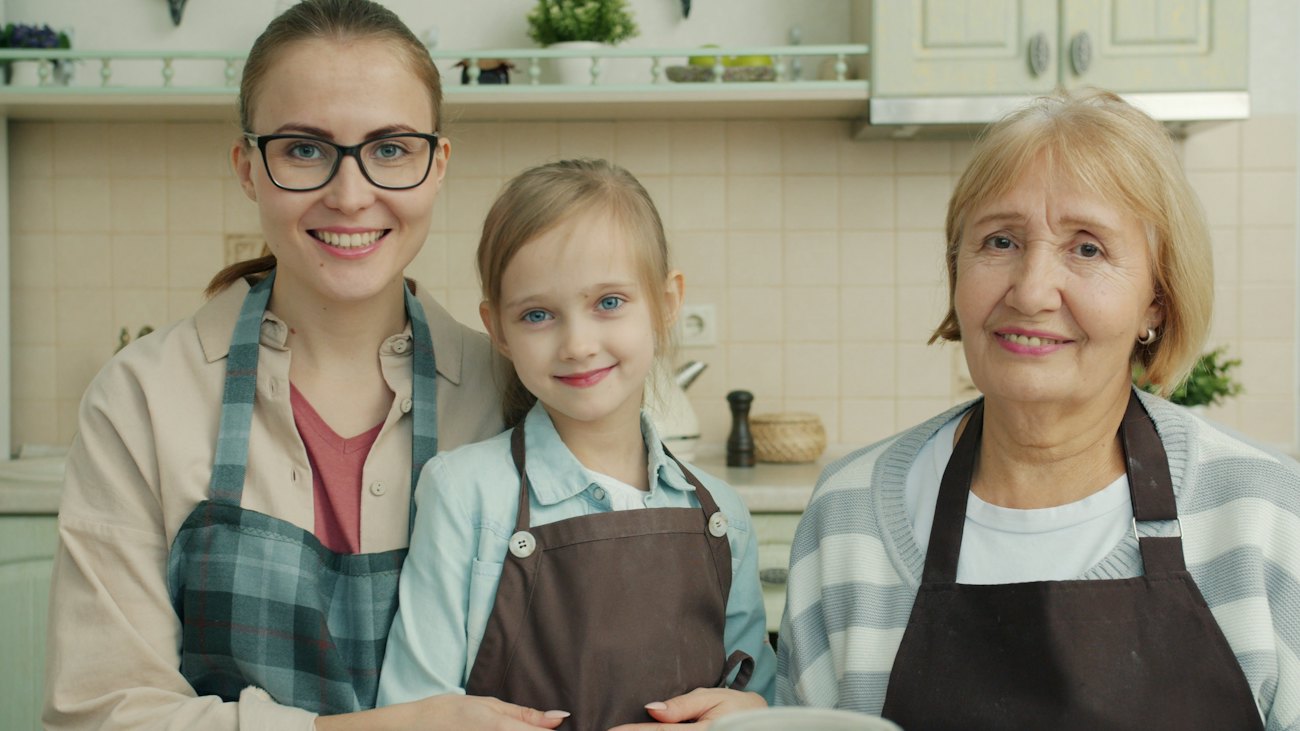
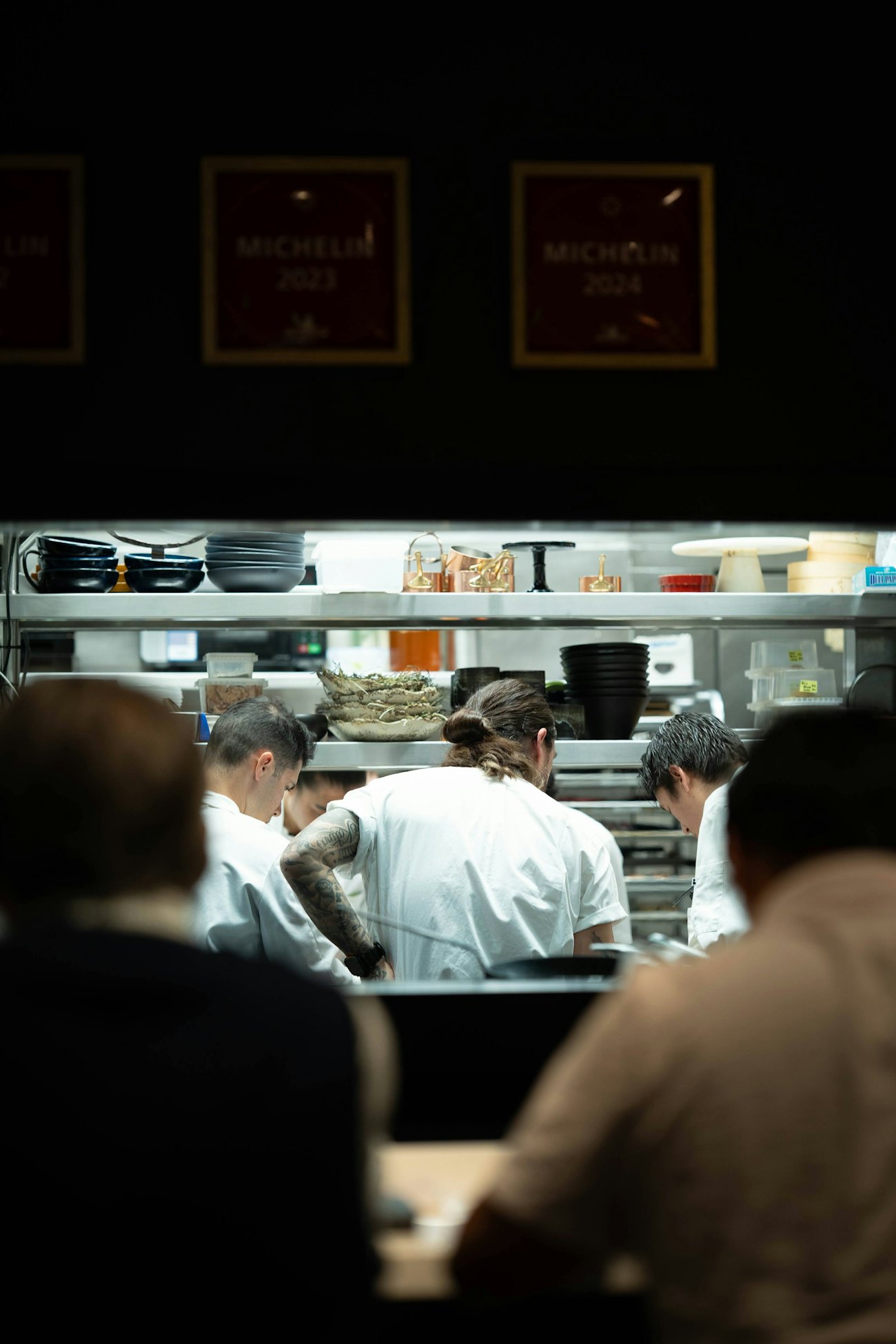
The recipes are grandma’s; the hands are our team’s. Every morning we make varenyky, cook the borsch and welcome you as if you were at home.
We make everything ourselves: the dough, the pickles, the liqueurs and the uzvar.
Vegetables and meat from the Mercat de Russafa, every morning.
We speak Ukrainian, Spanish and English.


